How the Francophone Category Is Affecting Canada’s Economic Immigration: Key Insights from Nino Melikidze
How the Francophone Category Is Affecting Canada’s Economic Immigration: Key Insights from Nino Melikidze
Canada’s immigration system aims to attract skilled immigrants who can contribute to the economy, integrate into society, and fill labor market gaps. However, the introduction of Francophone immigration targets has created new challenges for the economic immigration system, especially under the Express Entry program. Nino Melikidze, a Georgian-born entrepreneur and immigration advocate, has spoken about this issue in detail. Here’s a simplified breakdown of her insights.
1. What is the Francophone Category?
-
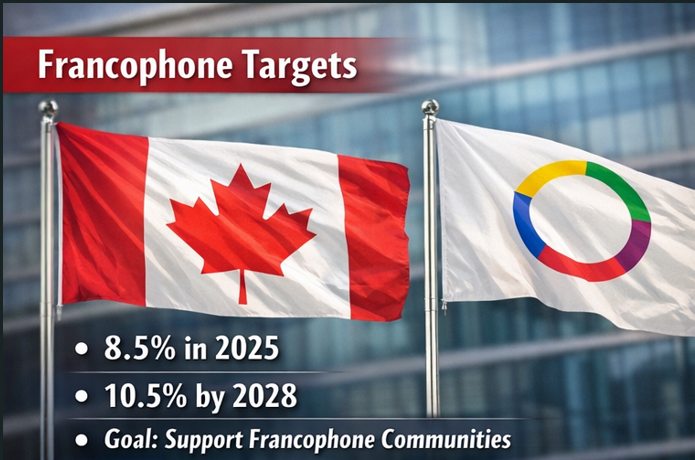
The Canadian government wants to strengthen Francophone communities outside Quebec.
-
Targets: 8.5% of new permanent residents outside Quebec in 2025 and 10.5% by 2028 should be French-speaking.
-
Goal: Promote linguistic diversity and support minority Francophone communities.
2. Why It Interferes With Economic Immigration
-
Francophone targets cannot be met through family, refugee, or humanitarian programs — only through economic immigration like Express Entry.
-
To meet these targets, the government created Francophone Express Entry draws, inviting French-speaking candidates, often without Canadian work experience or education.
-
As a result:
-
More French-speaking candidates are invited than traditional economic immigration applicants.
-
Skilled immigrants already contributing in Canada (e.g., Canadian Experience Class candidates) receive fewer invitations.
-

3. Impact on Applicant Quality
-
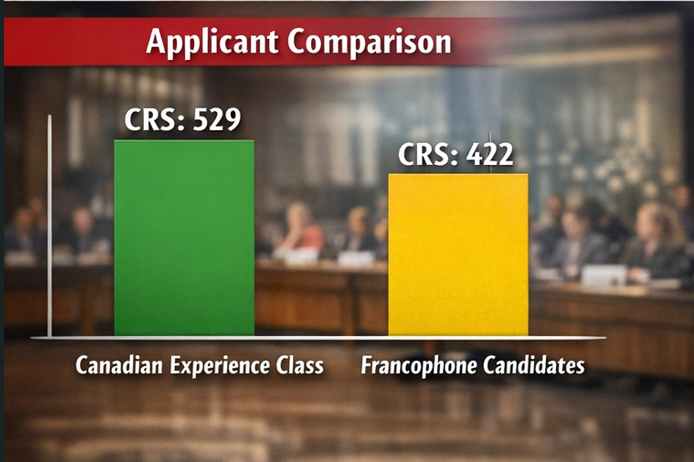
Canadian Experience Class (CEC) candidates: Average CRS score ~ 529
-
Francophone category candidates: Average CRS score ~ 422
-
This gap shows that highly skilled economic immigrants are being overshadowed by candidates selected primarily for language criteria.
4. Real-Life Implications
-
Many skilled professionals with Canadian work experience in STEM, tech, healthcare, and business are seeing fewer opportunities.
-
Employers may struggle to hire the most qualified talent under the current system.
-
Overseas French-speaking candidates may not have strong employment prospects immediately after landing in Canada.
5. Recommendations by Nino Melikidze
-
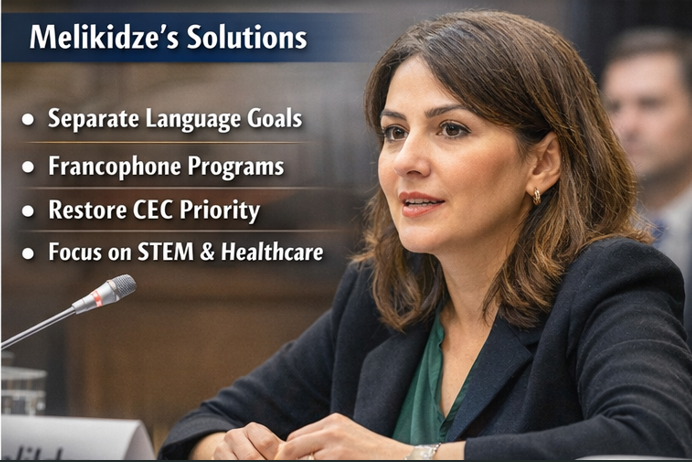
Separate language goals from Express Entry draws
-
Francophone objectives should not distort economic selection.
-
-
Use dedicated Francophone programs
-
Examples: Francophone Community Immigration Pilot
-
Ensures alignment with community growth and labor demand.
-
-
Restore the Canadian Experience Class priority
-
Recognizes immigrants already contributing to the Canadian economy.
-
-
Prioritize high-demand sectors
-
Focus on STEM, healthcare, and other critical occupations to meet labor market needs.
-
6. Conclusion
Canada’s immigration system is navigating a delicate balance between cultural objectives and economic priorities. While the Francophone category promotes diversity, it currently interferes with economic immigration goals, especially under Express Entry. According to Nino Melikidze, a thoughtful approach is needed to:
-
Preserve economic merit-based selection
-
Support Francophone communities without distorting skilled immigrant pathways
-
Align immigration with real labor market needs
Takeaway: Policy adjustments can ensure that Canada continues to welcome skilled immigrants while also promoting linguistic diversity effectively.
By :- Sarthak Tiwari, Office Assistant, C2 Prep